

The Doorstep Pile-Up: Why September’s Delivery Surge Is a Security Blind Spot
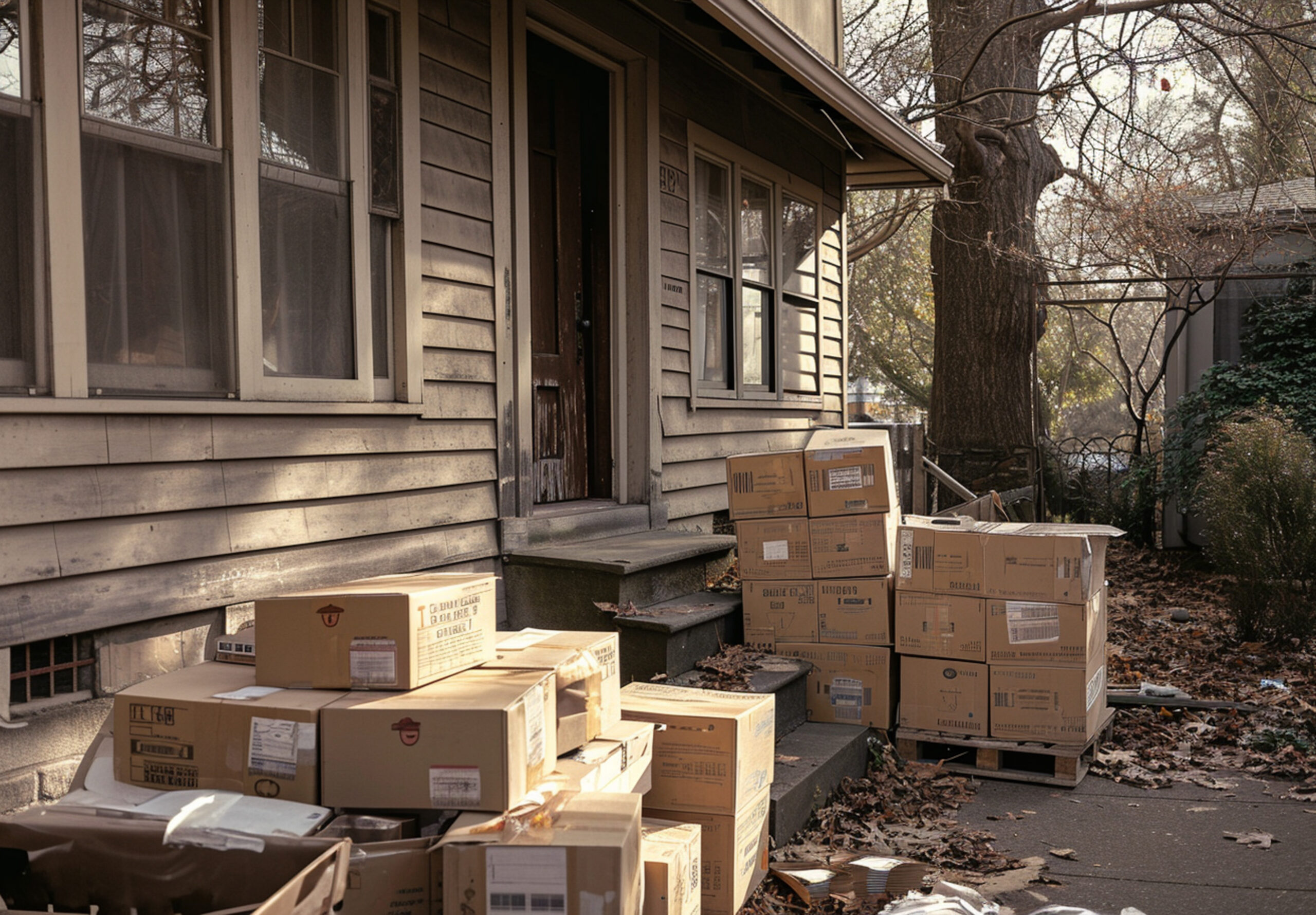
September brings a quiet but noticeable rise in online shopping across London. New school supplies, early autumn wardrobes, home essentials ahead of the colder months, all of it arrives by courier, often during working hours when nobody’s home to bring it in. A single missed delivery is nothing. A parcel left on a doorstep for a few hours rarely means anything at all. But a stack of two, three, or four uncollected boxes tells a very different story, and it’s a story anyone walking past can read in seconds.
A Signal Anyone Can Read
Uncollected deliveries work exactly like an unlit house or an overflowing letterbox: they’re a passive signal of absence that requires no effort to notice. Unlike a car in the driveway, which can be moved, or a light left on, which can be timed, parcels accumulate visibly and honestly. They tell an observer not just that a home might be empty right now, but that it’s been empty for some time, and that nobody has checked on it recently. For anyone assessing a property from the outside, that’s a far more useful piece of information than almost any other single clue.
Why September Makes This Worse
The seasonal timing compounds the problem. September’s shopping surge coincides with the same period when school runs and return-to-routine schedules are already creating predictable empty-home windows. A property that’s regularly unattended during fixed hours, and now also accumulating visible deliveries during those same hours, presents a doubled signal rather than a single one. What might be a minor oversight in isolation becomes a much clearer pattern when it happens alongside other seasonal changes a household may not even be tracking.
Why This Gets Overlooked
Most homeowners don’t think of deliveries as a security issue because the routine feels completely ordinary. Ordering something online and having it arrive while at work isn’t unusual, it’s simply how most people shop now. That very ordinariness is exactly why it’s easy to overlook. Security risks that feel dramatic get addressed quickly; risks that feel like everyday convenience tend to sit unnoticed until they’ve already been exploited.
Starting With a Proper Assessment
This is precisely the kind of gap a professional home risk assessment is designed to catch. Rather than guessing at where a property’s vulnerabilities lie, an assessment looks at the actual patterns a household has fallen into, delivery timing, occupancy hours, entry points, and lighting, and identifies where those patterns quietly work against the property rather than for it. A doorstep pile-up rarely shows up on a homeowner’s own checklist, but it’s exactly the sort of detail a structured assessment is built to surface.
Closing the Gap With Regular Patrols
Once identified, this particular vulnerability is straightforward to manage. Scheduled mobile patrols during peak delivery hours mean parcels are less likely to sit unclaimed for long stretches, and a visible patrol presence reduces the value of the signal even if a delivery does linger. Combined with simple habits, redirecting deliveries to a neighbour, a secure box, or a collection point when a household knows it will be out, the seasonal risk drops substantially without requiring any real change to shopping habits.
September’s delivery surge isn’t going away, and it shouldn’t have to. What matters is making sure it doesn’t quietly become the reason a property stands out for the wrong reasons. Talk to Lexnis about a home risk assessment that accounts for how your household actually lives, deliveries included.
