

Back-to-School Routines Are Quietly Creating a Pattern Burglars Can Read
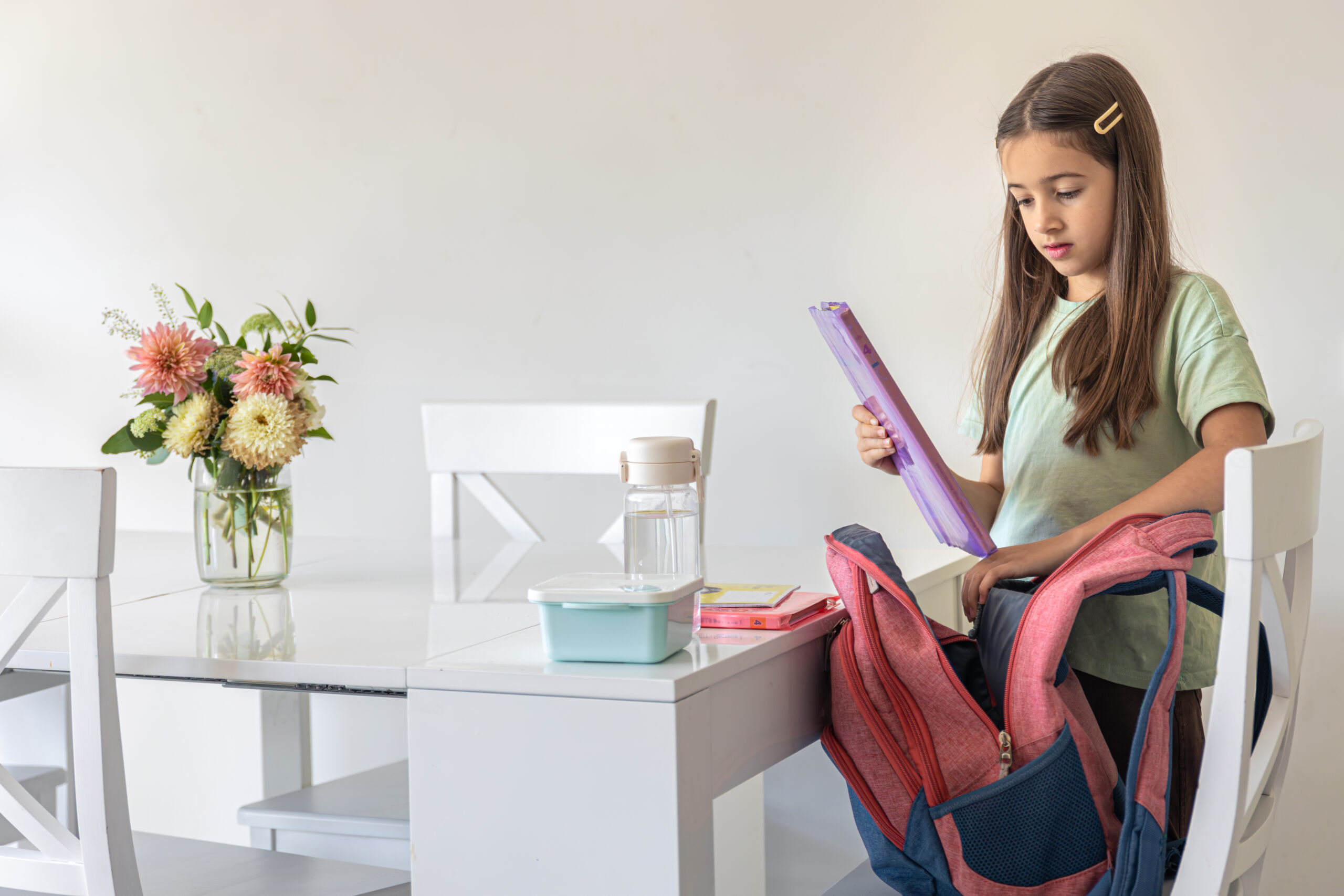
The new school term has settled in across London, and with it, a routine most households don’t think twice about: the same drop-off time, the same route, the same return home, repeated five mornings a week without variation. It feels mundane because it is mundane. But that very predictability is precisely what makes a property easier to read from the outside, and reading a property is the first thing anyone considering an approach actually does.
How Predictable Patterns Work Against You
Opportunistic burglary rarely involves elaborate planning. In most cases, it comes down to a simple calculation: how long is a property left unattended, and how reliably does that window repeat? A household that leaves at 8:15am and returns at 8:50am every weekday, then again for the afternoon pickup, has unintentionally published its own schedule. It takes only a few days of casual observation, from a passing car, a delivery round, or someone simply walking the same street, for that pattern to become obvious. The risk isn’t that someone is watching a specific home. It’s that a specific home has made itself easy to watch.
The School Run Window
What makes the school run particularly exposing is its consistency across an entire street or neighbourhood rather than a single property. When most households on a road follow a similar drop-off and pickup rhythm, the entire area empties out in a synchronised, predictable way, twice a day, every school day. That collective pattern is far more visible than any one family’s routine in isolation, and it holds steady for months at a time.
What Disrupts a Pattern
The most effective response isn’t to change a routine that works for a family, it’s to disrupt the visible signals that routine gives off. This is where scheduled mobile security patrols make a genuine difference. A marked patrol vehicle or an officer checking a property during the exact hours a home typically sits empty removes the reliability an opportunist depends on. If a would-be intruder can no longer be confident a property is unwatched during its usual empty window, the calculation that made the approach worthwhile falls apart. Patrols don’t need to be constant to work, they need to be present often enough that the pattern can no longer be trusted.
Lighting as a Companion Measure
Timed lighting adds a second layer to the same principle. A hallway lamp on a timer, or an exterior light that activates at dusk regardless of whether anyone’s home, makes a property harder to read at a glance. Combined with patrol visits during peak vulnerability windows, these small, low-cost adjustments genuinely interrupt the pattern rather than simply hoping it goes unnoticed.
Building a Habit Around Security
None of this requires disrupting a family’s actual routine, school runs are not going anywhere, and they shouldn’t have to change to accommodate a security concern. What can change is how visible that routine is from the outside. A scheduled patrol during term-time hours, paired with lighting that removes obvious “nobody’s home” signals, turns a predictable pattern into one that no longer offers any real certainty.
Talk to Lexnis about building a patrol schedule around your household’s actual routine, not against it, so the school run stays exactly what it should be: routine.
